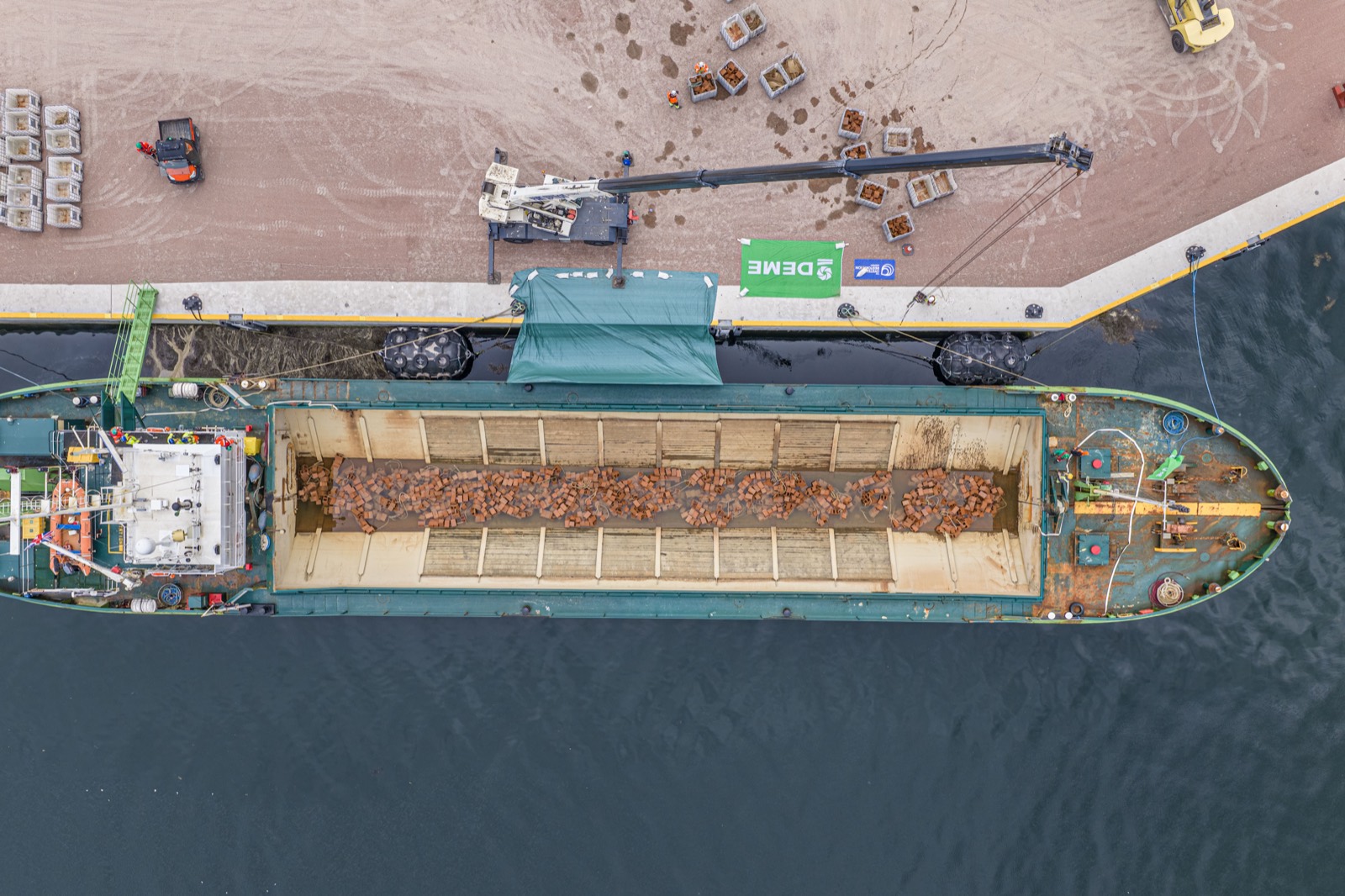
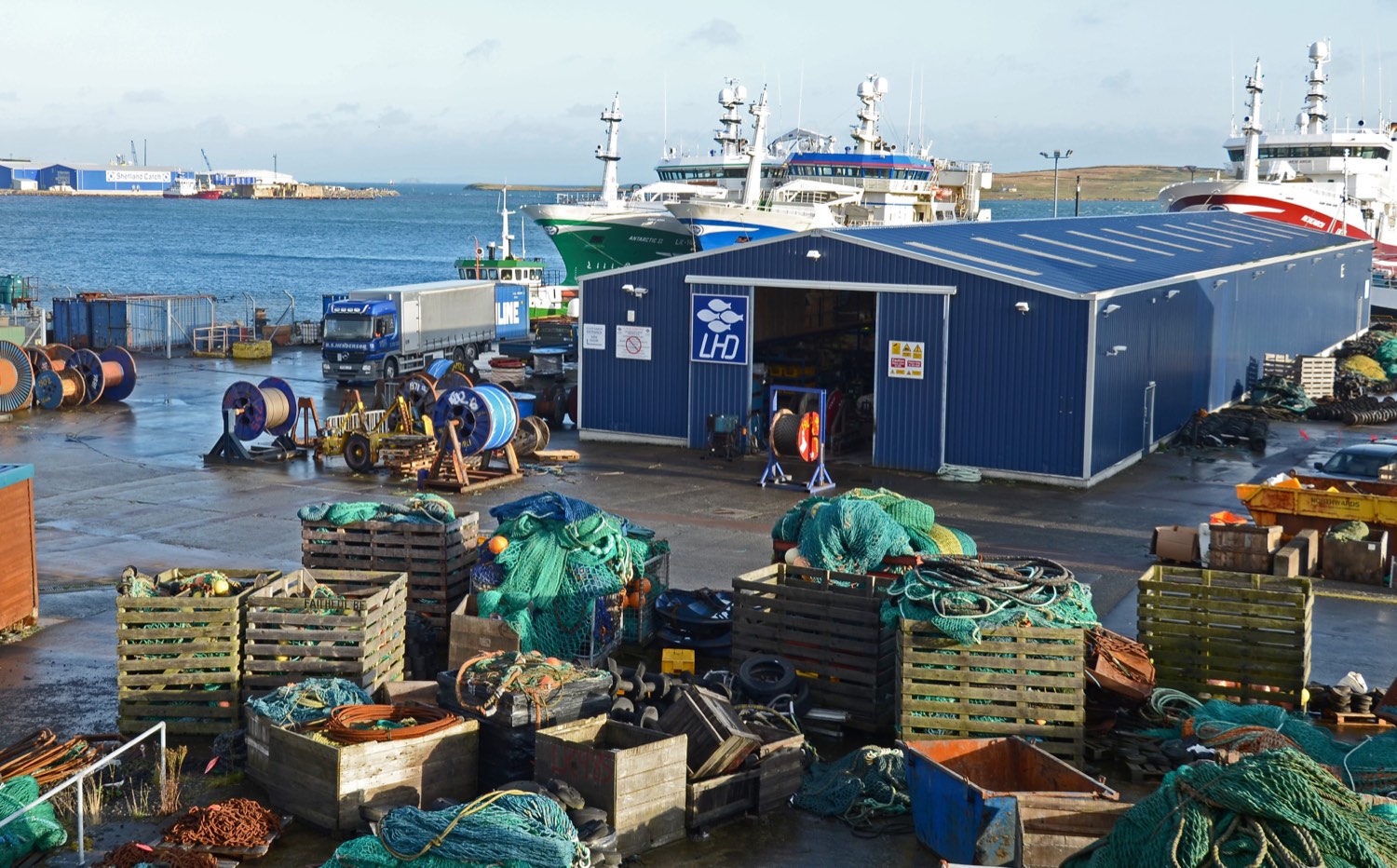
The hard part of building in the North Sea is now the diary. On 20 July, the owners of the planned Zeevonk offshore wind farm, Sweden’s state energy company Vattenfall and the Danish infrastructure fund manager Copenhagen Infrastructure Partners (CIP), awarded a contract worth €150 to 300 million to DEME, the Belgian marine contractor that ranks among the world’s largest dredging and offshore construction groups. The scope: intermediate transport and marshalling of the steel, installation of 69 monopile foundations, and the rock filter layer that protects each one from scour. Offshore work begins in 2028. The award was made two years before a single pile touches water, which tells you what the contract is really buying: a place in the queue.
Zeevonk is worth knowing in its own right. It is the project formerly tendered as IJmuiden Ver Beta: a 650 square kilometre site between 63 and 84 kilometres off Bergen aan Zee, planned at roughly 2 GW across two phases, with a floating solar demonstrator inside the wind farm and a green hydrogen electrolyser at Rotterdam’s Maasvlakte to absorb part of the output. Phase 1, the 1 GW covered by DEME’s foundations, is due online in 2029.
The ships are the easy part
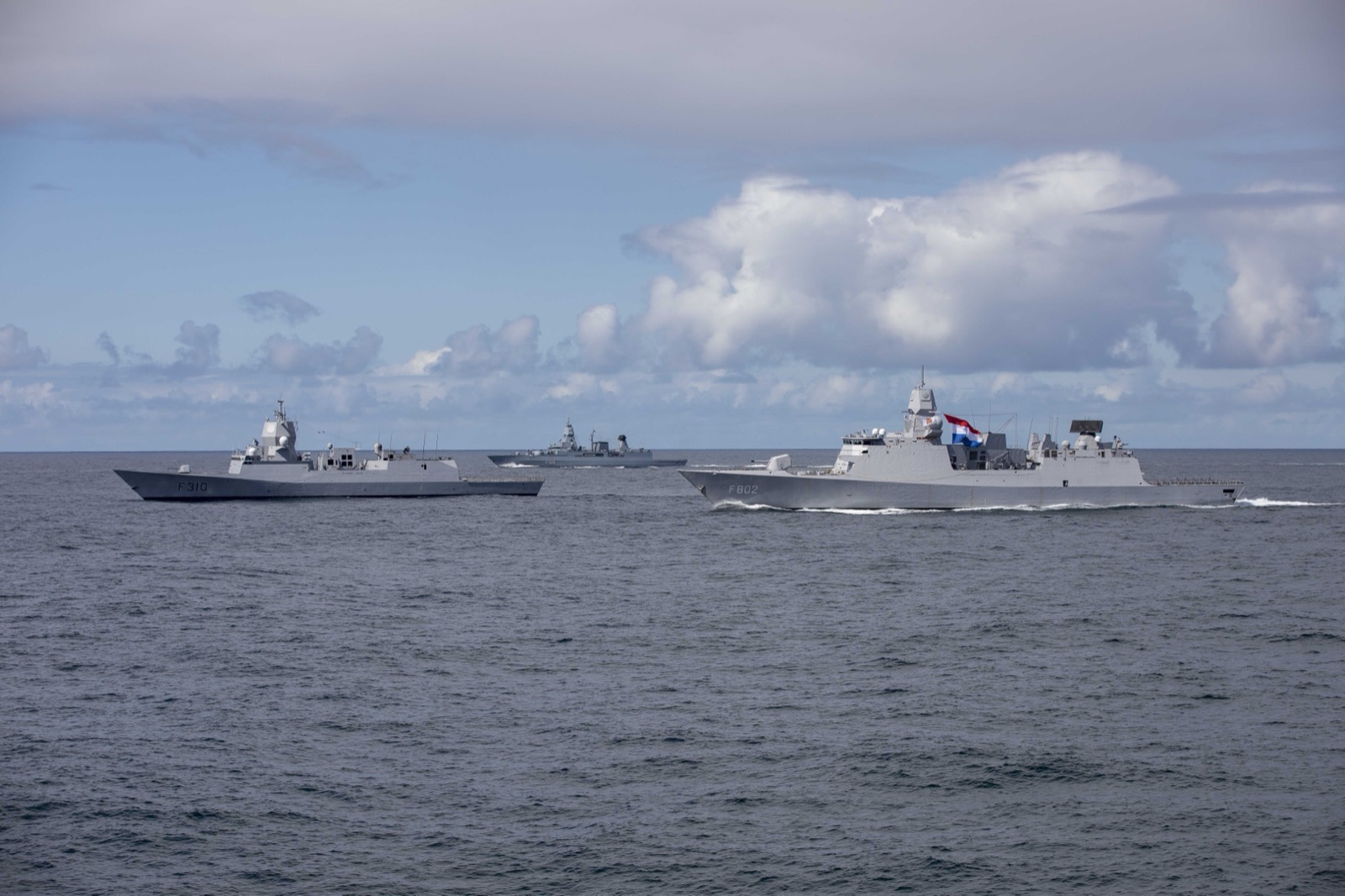
DEME will send three vessel classes to the site: the Orion, its flagship installation vessel, to carry and drive the monopiles; a jack-up for the secondary steel; and a fallpipe vessel to place the scour protection. That shopping list is worth a second read. Nieuw Doggerland, the project behind this site, proposes a working harbour, island towns and an energy hub in the central North Sea between Britain and the Netherlands; a ship that plants foundations, a ship that works standing on its own legs, and a ship that armours the seabed with rock are, in a different order, the construction programme of its first safe harbour.
The contractor is no stranger to making land at sea, either. DEME is one half of TM Edison, the joint venture currently standing concrete caissons in a row off Ostend to build Princess Elisabeth Island, the world’s first artificial energy island, for Belgium’s grid operator Elia. The firms that will build the first archipelagos of the North Sea already exist, and their diaries are full.
What the delay teaches
Zeevonk has already had its lesson in humility, and it is instructive to read it straight. The project was originally due complete in late 2029. Last August the Dutch government agreed to split it into two phases, with the second gigawatt slipping to 2032, because the Delta Rhine Corridor, the pipeline infrastructure meant to carry Maasvlakte hydrogen to customers in the Netherlands, Belgium and Germany, is running late. The electrolyser obligation was cut from 1 GW to 500 MW; the 50 MW floating solar requirement became a 6 MW demonstrator with an option to scale; the state restructured some €400 million in payments to keep the arithmetic standing.
Note what did not cause the delay: the sea, the turbines, or the ships. Every setback in Zeevonk’s short history has come from the shore; the pipelines, grids and price curves that must receive the power. It is the same lesson our energy programme is built around. Generation is the solved problem; landing, storing and moving the output is where a North Sea project earns its keep.
Why it matters to Nieuw Doggerland
First, the caveat: Zeevonk belongs to Vattenfall and CIP, DEME’s order book is its own, and none of them has any involvement in Nieuw Doggerland. But the award is a data point in the argument our prospectus makes. The specialist fleet the project will one day charter exists, is based on the North Sea’s shores, and is being booked years ahead by clients who know exactly how scarce those vessel-seasons are. Capacity is real; the queue is the constraint, and queues reward projects that plan early and commit.
The geography is moving our way too. We have added Zeevonk to our interactive map, drawn from the boundary in the official Wind Farm Site Decision: two modest polygons astride our ferry corridor to IJmuiden. The site sits well south of the Dogger Bank, but the Dutch build-out it belongs to is marching north-east through the national programme’s designated search areas, its zoekgebieden; the largest of them, Zoekgebied 6/7, holds space for some 20 GW of future capacity and shares the central North Sea with our project area, one polygon to the east.
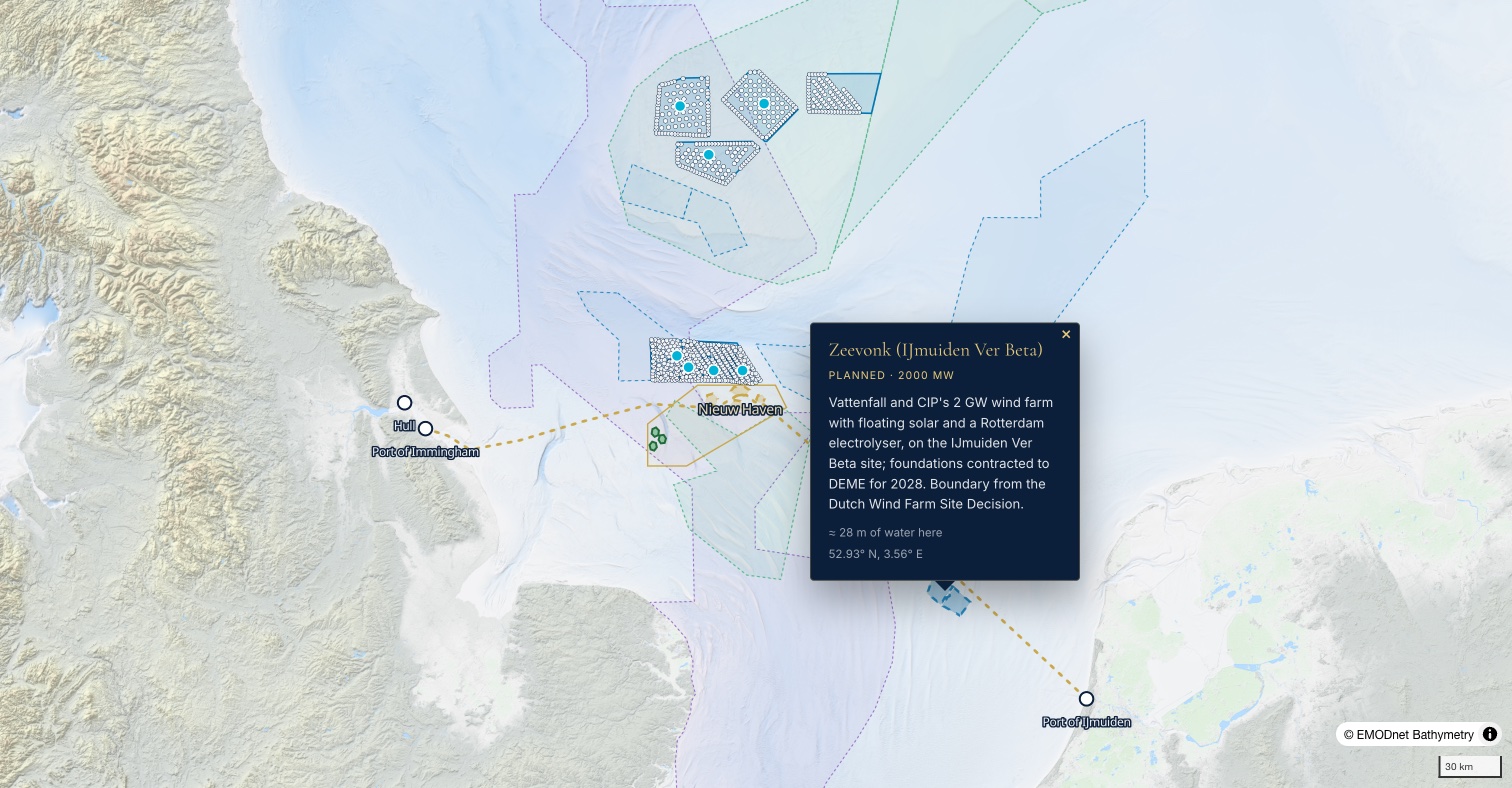
When the wind farms arrive in that square of sea, they will need what wind farms always need and the middle of the North Sea has never had: a harbour, a grid to land on, and somewhere for the crews to sleep. We intend to be their neighbour by then.
Source: contract details from DEME’s announcement and Offshore Magazine; rephasing and Delta Rhine Corridor background via offshoreWIND.biz.