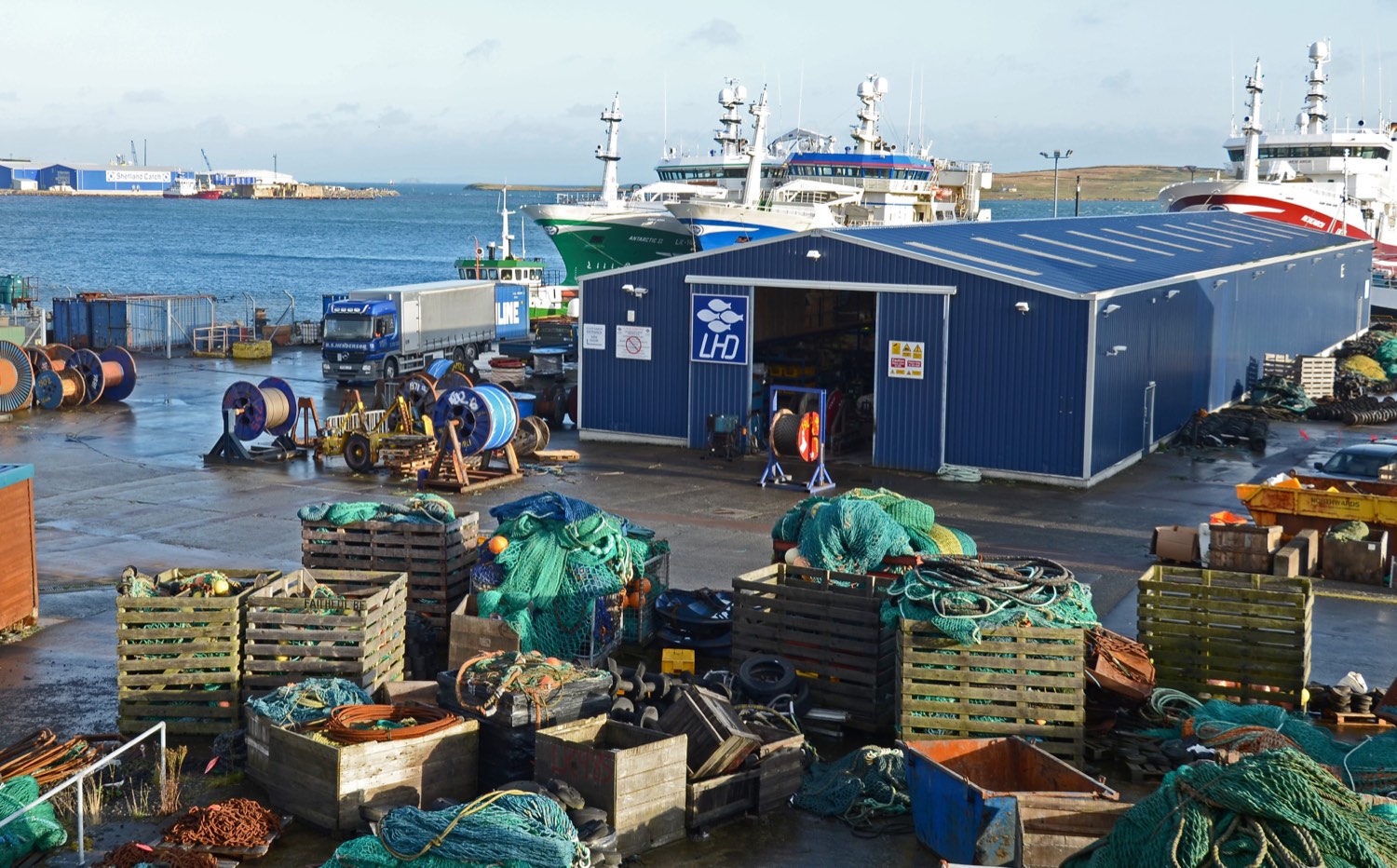
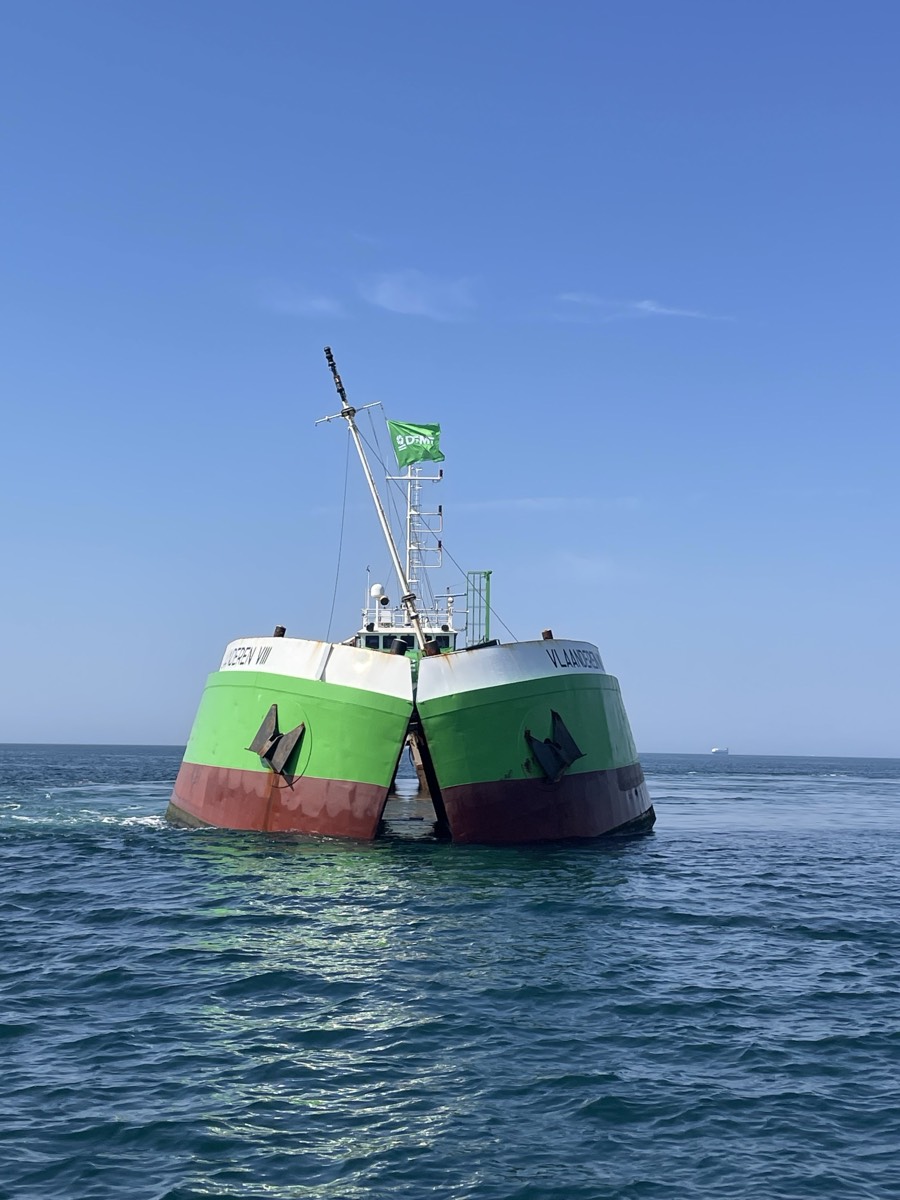
A split hopper barge is a working boat of the dredging trade. It takes a load of sand or gravel in a hold running most of its length, sails to where the material is wanted, and then splits down the middle on hydraulic rams so the hull opens like a bivalve and the cargo falls out. In June, DEME, the Belgian marine engineering and dredging group, sent one of these vessels, the 70-metre Vlaanderen VIII, over the Hinder Banks in the Belgian North Sea with 1,800 clay bricks in her hopper, and a million young oysters growing on them.
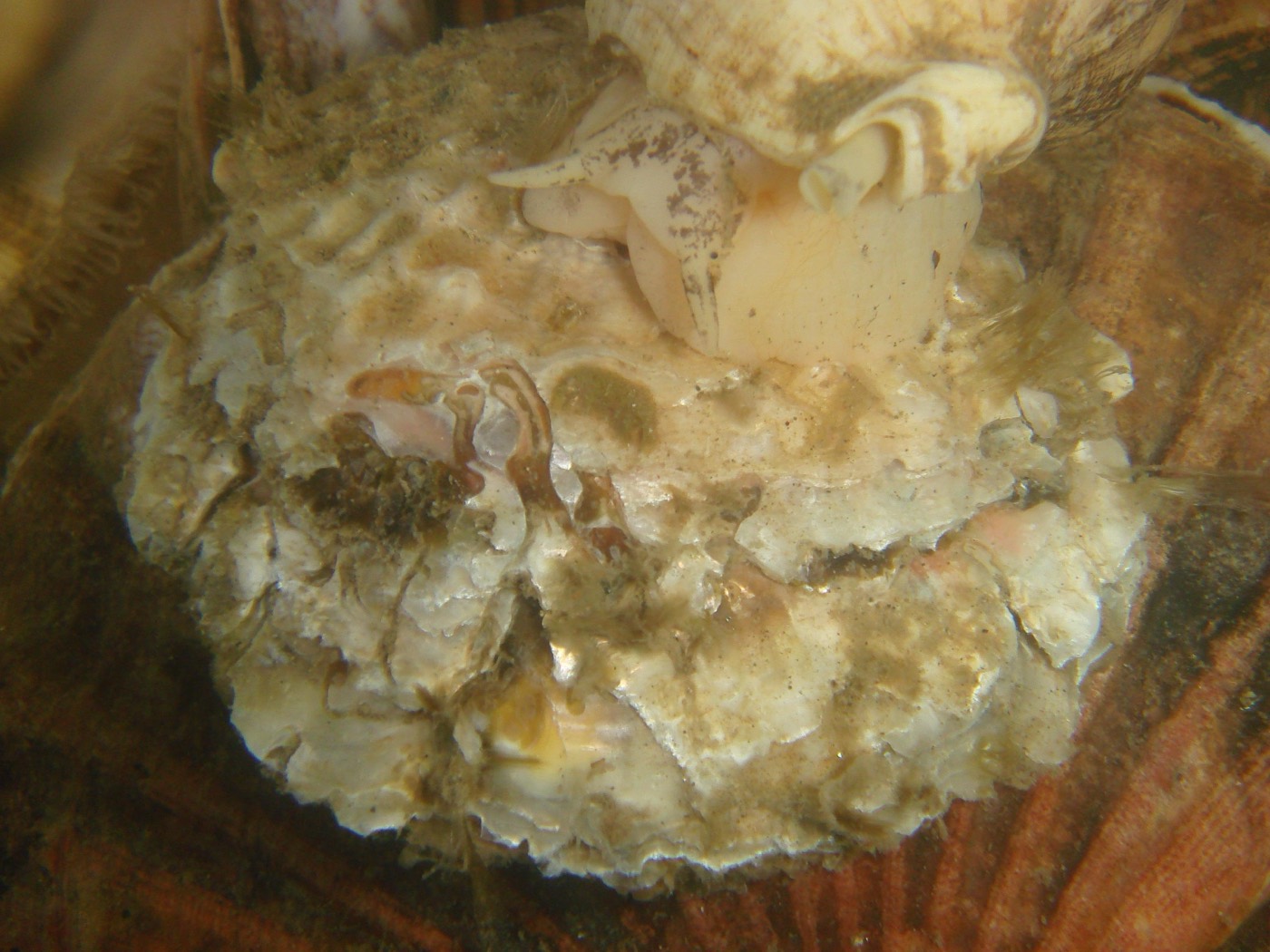
The cargo was the finished article of a project called EuroReefs, delivered by DEME with The Oyster Restoration Company, a British firm that breeds native oysters for restoration work. The bricks are natural and biodegradable; the animals on them are Ostrea edulis, the European flat oyster, bred at the company’s hatchery and loaded aboard in the port of Ardersier on the Moray Firth. Belgium’s Federal Public Service for Health, Food Chain Safety and Environment commissioned the work, with money from NextGenerationEU. The whole reef, about 100 cubic metres of it, went onto the seabed in a single day.
Where the beds used to be
The Hinder Banks were oyster ground within living memory of the industry that removed them. Flat oyster reefs covered the gravel beds off the Belgian coast until fishing pressure destroyed them in the early twentieth century. Surveys since have found that the water conditions there remain suitable for the species; what the seabed lacks is undisturbed hard substrate, the gravel and old shell that oyster larvae need to settle on, because bottom fishing and anchoring keep breaking it up.
That is the gap the clay bricks fill. Each one is a piece of hard ground placed where hard ground has been scoured away, seeded in advance so the reef starts with a population rather than waiting for larvae to arrive from somewhere else.
The Belgian pilot that came first
EuroReefs follows Belreefs, the country’s first large-scale flat oyster trial, which sits in the same Natura 2000 area, the Vlaamse Banken, between the Hinder Banks. In July 2025 that project put more than 200,000 juvenile flat oysters on the seabed roughly 30 km offshore, in about 30 metres of water, on the same biodegradable clay. Monitoring by the Royal Belgian Institute of Natural Sciences has reported early results described as promising. EuroReefs is the same technique at roughly five times the number of animals.
The parasite that keeps killing these projects
Restoring Ostrea edulis has a specific enemy, and any honest account of a project like this has to name it. Bonamia ostreae is a parasite that infects the oyster’s immune cells, shows no symptoms for months, then turns systemic and kills the animal. It has caused repeated mass mortalities in European flat oyster populations since the 1970s and is now established across much of the species’ natural range.
A study published this year in Communications Earth & Environment modelled how the parasite disperses on ocean currents and found high exposure risk at up to a third of flat oyster restoration sites across the north-west European shelf. Hatcheries screen broodstock and test for freedom from disease, but repeated releases raise the cumulative odds of introducing it. A reef seeded with a million animals is a large bet on the screening holding.
Contractors that can do both jobs
Nieuw Doggerland, the project behind this site, proposes to raise new land on the drowned plain south of the Dogger Bank, between Britain and the Netherlands: a hub island and harbour first, then an archipelago, with a marine sanctuary alongside it. We need one thing from the contracting industry that has not always been on offer: the firms that move sand and rock at scale must also build habitat.
DEME is a reasonable test of whether that is realistic. The same company is in the joint venture building Princess Elisabeth Island, the Belgian energy hub 45 km off Ostend, and holds a contract worth up to €300 million to install monopile foundations at the Zeevonk wind farm in Dutch waters. For a firm of that size, placing a seeded reef is simply another load in the hopper, on a vessel already going out.
The reef now needs to survive, spawn and recruit wild larvae, which takes years to demonstrate and is the part no press release can supply. Belgium’s monitoring of both sites continues, and the ecology programme Nieuw Doggerland intends to run will be judged on the same measurements: settlement, survival, and whether the animals reproduce where they were put. The construction case is simpler. A working dredging barge placed the reef in a day and went back to its other jobs.