For most of its industrial history, the bottom of the North Sea was guarded by nothing but obscurity. Gas pipelines, power interconnectors, and the fibre-optic cables that carry Europe’s internet simply lay there, unwatched, on the assumption that nobody would touch them. That assumption is gone.
NATO’s answer is institutional. In May 2024 the alliance opened the Maritime Centre for Security of Critical Undersea Infrastructure at its maritime command in Northwood, just outside London; the centre has since reached initial operational capability. It exists to do one thing: fuse surveillance, industry data, and naval assets into a permanent watch on what lies beneath allied waters.
From watching to boarding
The centre was born from a run of incidents that reads like a charge sheet. The Balticconnector gas pipeline between Finland and Estonia was severed in October 2023, with a Chinese-flagged vessel implicated. The C-Lion1 data cable between Finland and Germany was cut in November 2024, along with a second cable linking Lithuania and Sweden. The Estlink 2 power interconnector followed at the end of that year.
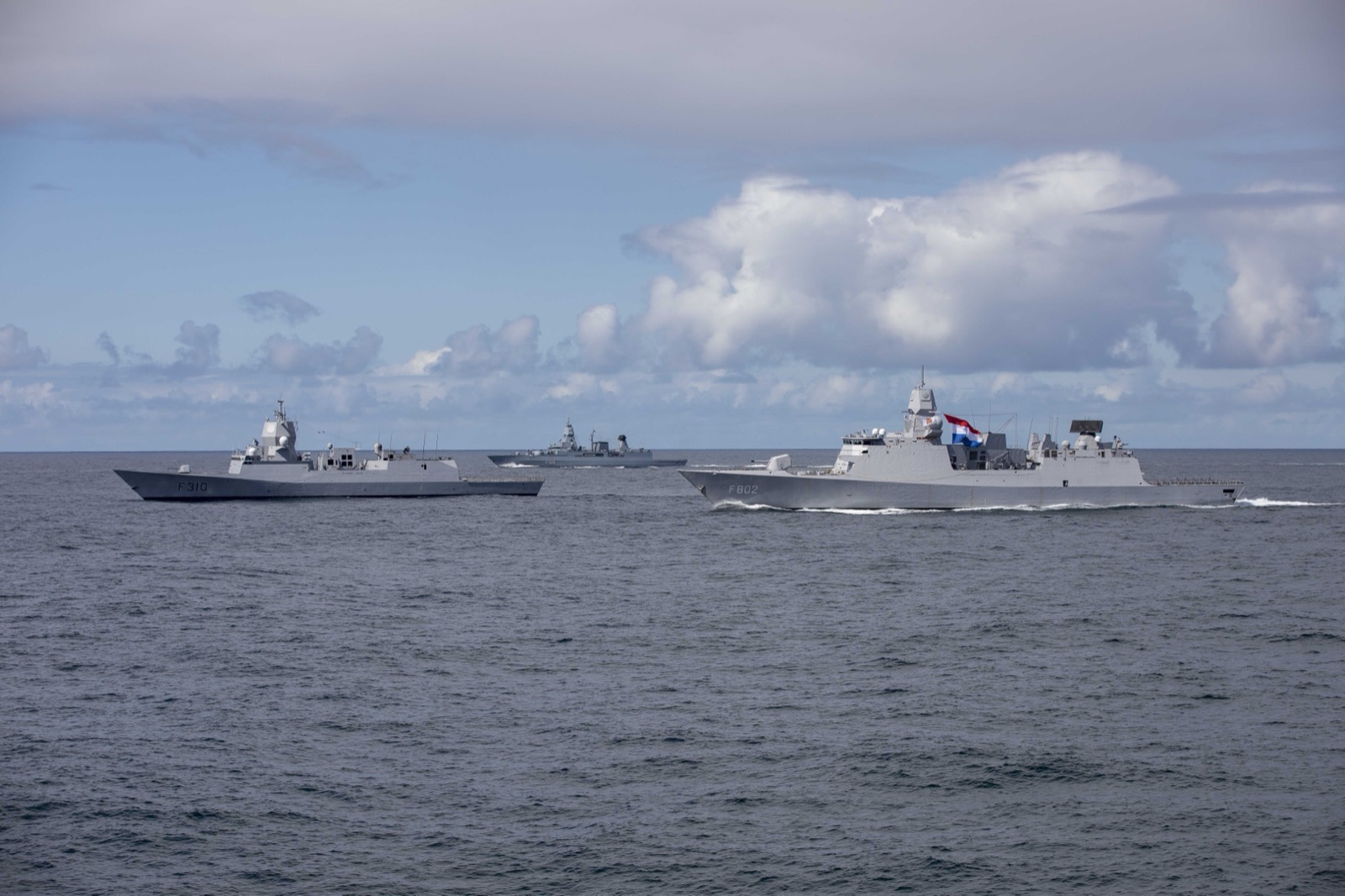
The response escalated in January 2025, when NATO launched Baltic Sentry: frigates, maritime patrol aircraft, and naval drones assigned to watch the seabed’s chokepoints. In December 2025 the policy produced its first seizure; Finnish authorities boarded and impounded a Turkish-owned cargo ship suspected of damaging the Helsinki to Tallinn telecommunications cable. Ships that drag anchors over cables now get arrested.
Why this matters on the Dogger Bank
The Baltic is the rehearsal; the North Sea is the main stage. It carries a denser concentration of critical infrastructure than any comparable body of water: the gas lines feeding the continent, the interconnectors knitting British and European grids together, and the world’s largest offshore wind complex on the Dogger Bank itself, with multi-gigawatt links such as TenneT’s 2 GW connections and the planned LionLink route to the UK still to come. Every new cable is another kilometre of exposure.
Analysts have been blunt about the stakes, and navies cannot be everywhere. A frigate on patrol is presence by appointment; what the seabed’s new guardians lack is presence by residence. This is where Nieuw Doggerland’s case acquires a security dimension we did not originally lead with. A permanent, inhabited archipelago in the centre of the southern North Sea is a standing watch by definition: harbours for patrol and survey vessels days closer to the infrastructure than any mainland port, radar and sensor coverage over the busiest cable corridors in Europe, and several thousand pairs of civilian eyes where today there are none.
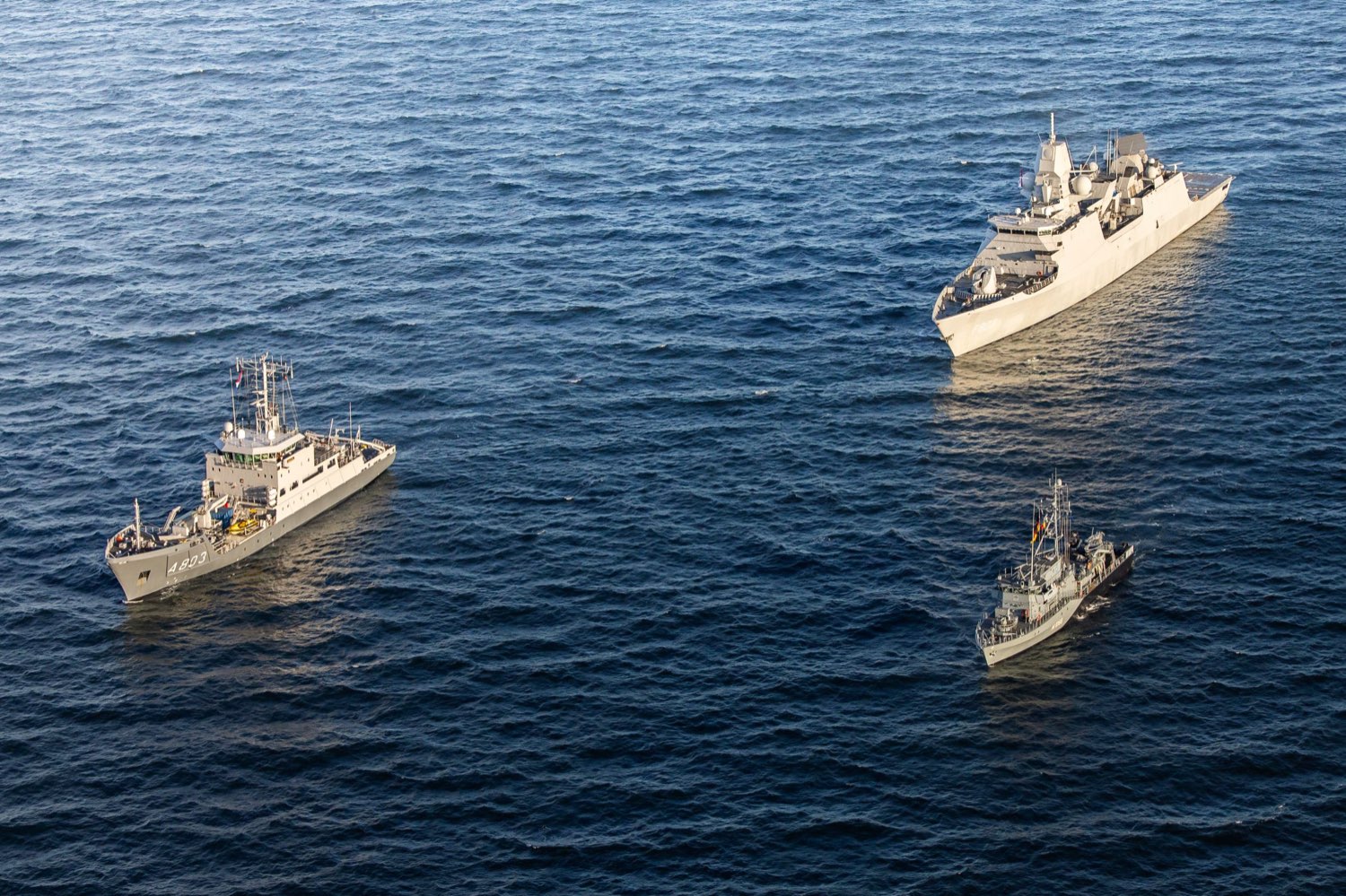
The four states whose economic zones meet on the Dogger Bank are the same four now paying for naval patrols to defend infrastructure in the middle of the sea. An island province built around that infrastructure does not add to the protection bill; it is the protection. When the treaty conversation comes, that argument will be on the table.