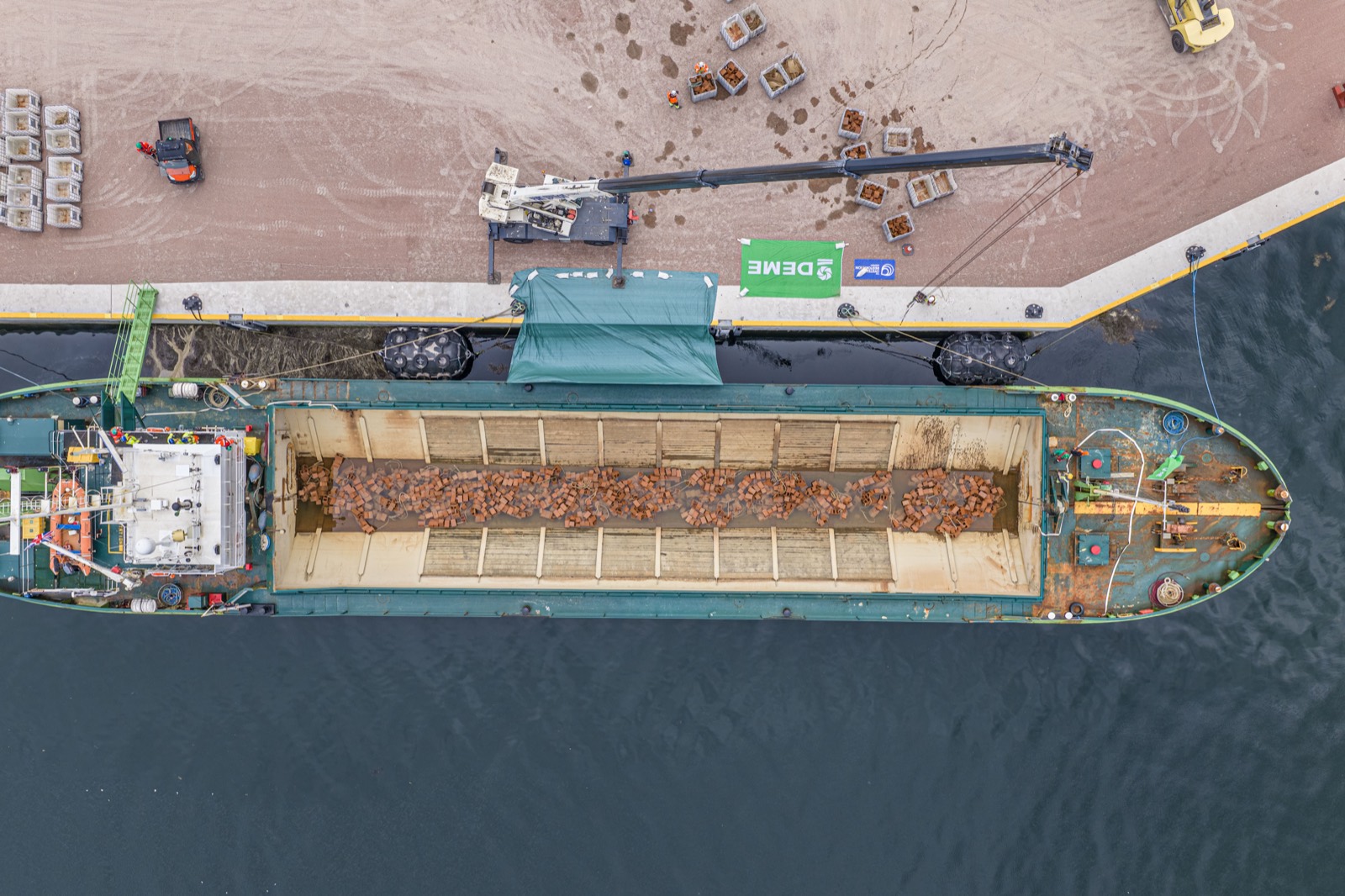
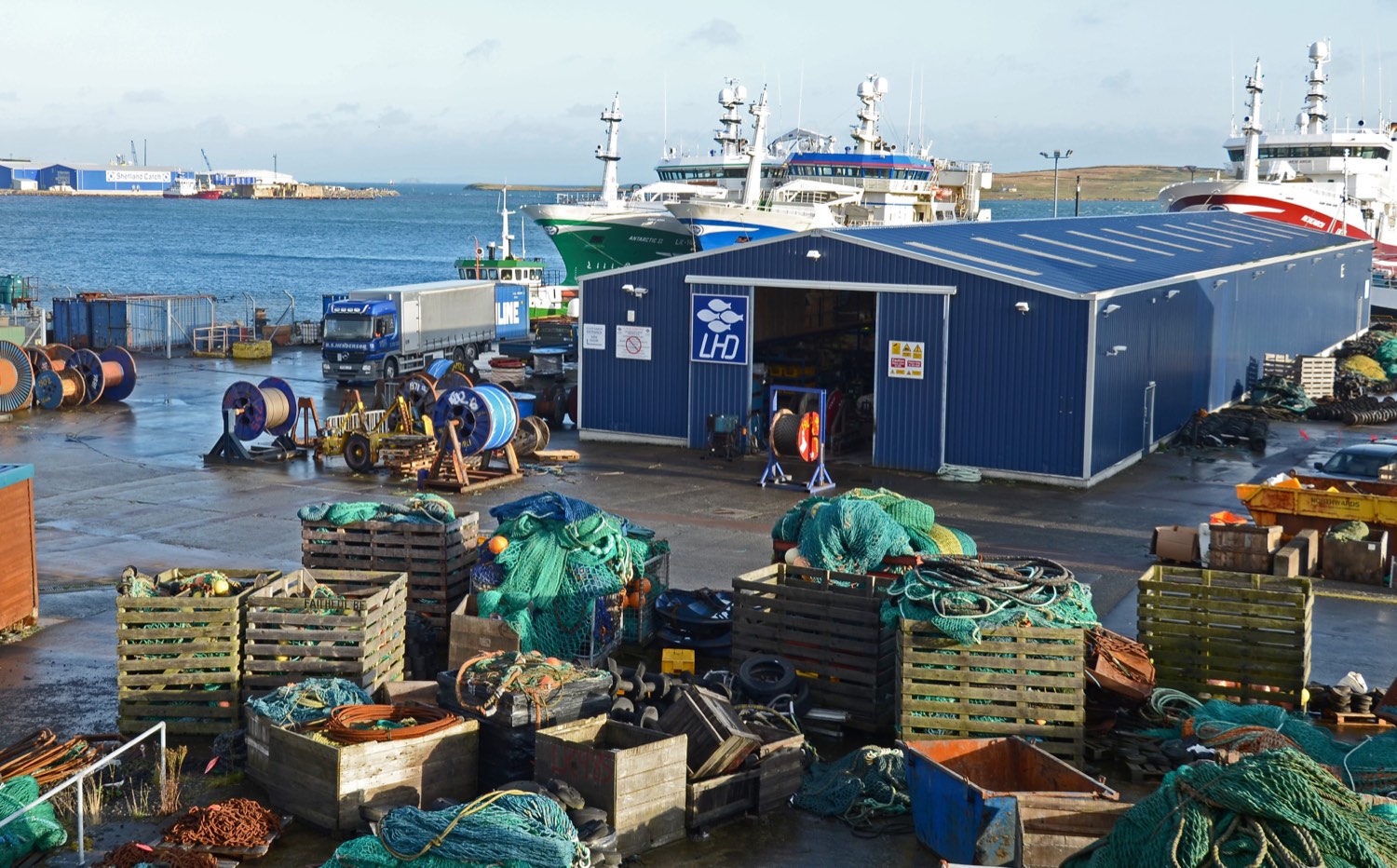
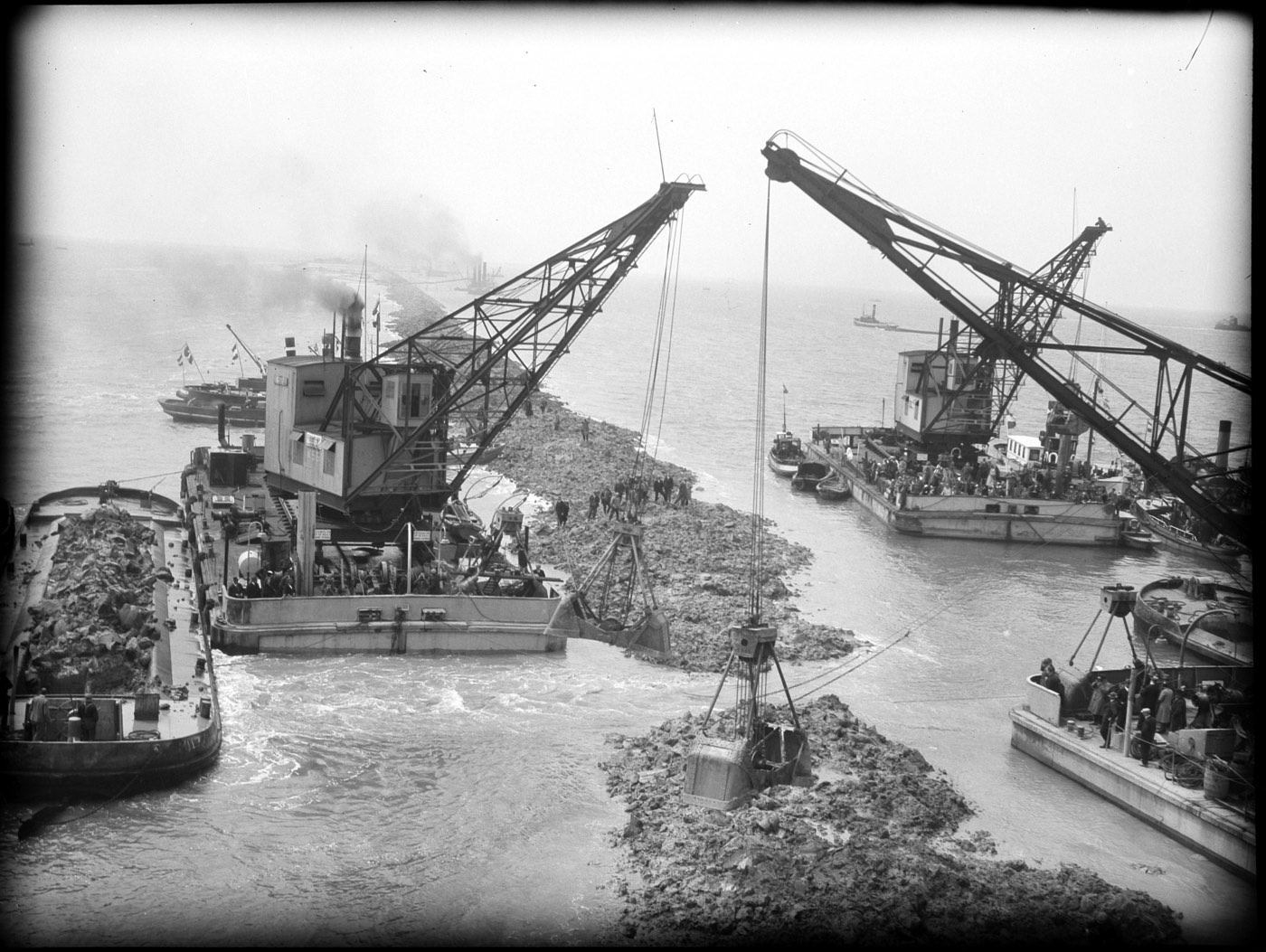
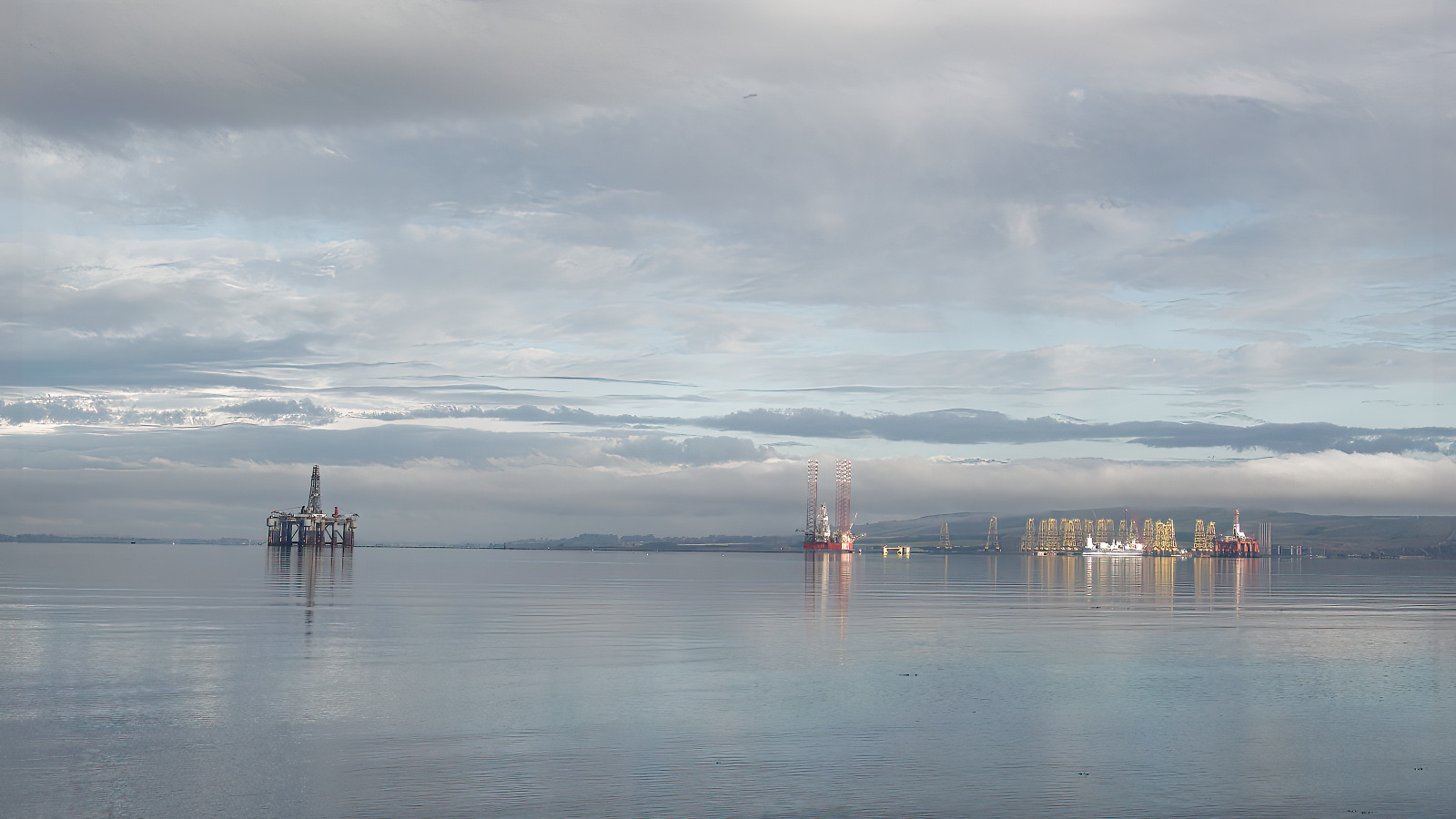
Drive the shore road along the Cromarty Firth, in the Scottish Highlands north of Inverness, and the view is like nowhere else in Britain: drilling rigs at anchor in a sheltered inland sea, their derricks higher than the hills behind them. Locals call it the oil rig graveyard. The Port of Cromarty Firth prefers “parking lot”, and as many as seventeen rigs have been stacked here at once, waiting.
Some are “hot-stacked”: crewed by a skeleton staff, powered up, ready to return to work when the day rate improves. Others are cold-stacked, dark and dehumidified, and some of those will never work again. In early 2016, after the oil price crashed, only 63 per cent of the rigs in the UK North Sea had work; the rest went looking for cheap, calm water to wait in, and this firth, deep, sheltered and rimmed with fabrication yards, is the best parking in the country.
Born on this water
The rigs did not arrive here by accident; many of their kind started life on this same firth. In 1972, at Nigg on the firth’s northern shore, the joint venture Highland Fabricators, formed by the American contractor Brown & Root and Britain’s Wimpey, opened one of Europe’s great platform-building yards. Its first delivery, Highland One, launched in 1974 for BP’s Forties field, was the largest offshore platform in the world at the time. At its peak the Nigg yard employed around 5,000 people and sent more than thirty major structures out through the firth’s narrow entrance, for fields with names like Forties, Magnus and Hutton.
The Hutton platform, built at Nigg in 1984 as the world’s first tension-leg platform, was towed back into the firth decades later to be broken up a short distance from where it was assembled. The yard itself shut in 2000, stood derelict for a decade, and was bought in 2011 by Global Energy Group, which turned it back into a working port; today the firth’s business is as much decommissioning and offshore wind as oil. The rigs at anchor sit between two futures: another contract, or the cutting torch.
What the steel is worth underwater
There is a third future, and the evidence for it swims around every platform leg in the sea. In the Gulf of Mexico, the United States has run a formal Rigs-to-Reefs programme since the 1980s: by 2021, 625 retired platforms had been converted into permanent artificial reefs, and platform structures now supply roughly 30 per cent of the region’s reef habitat. Off California, a 2014 study led by Jeremy Claisse measured fish production at oil platforms and found it higher, per unit of seabed, than in any other marine habitat yet studied, natural reefs included.
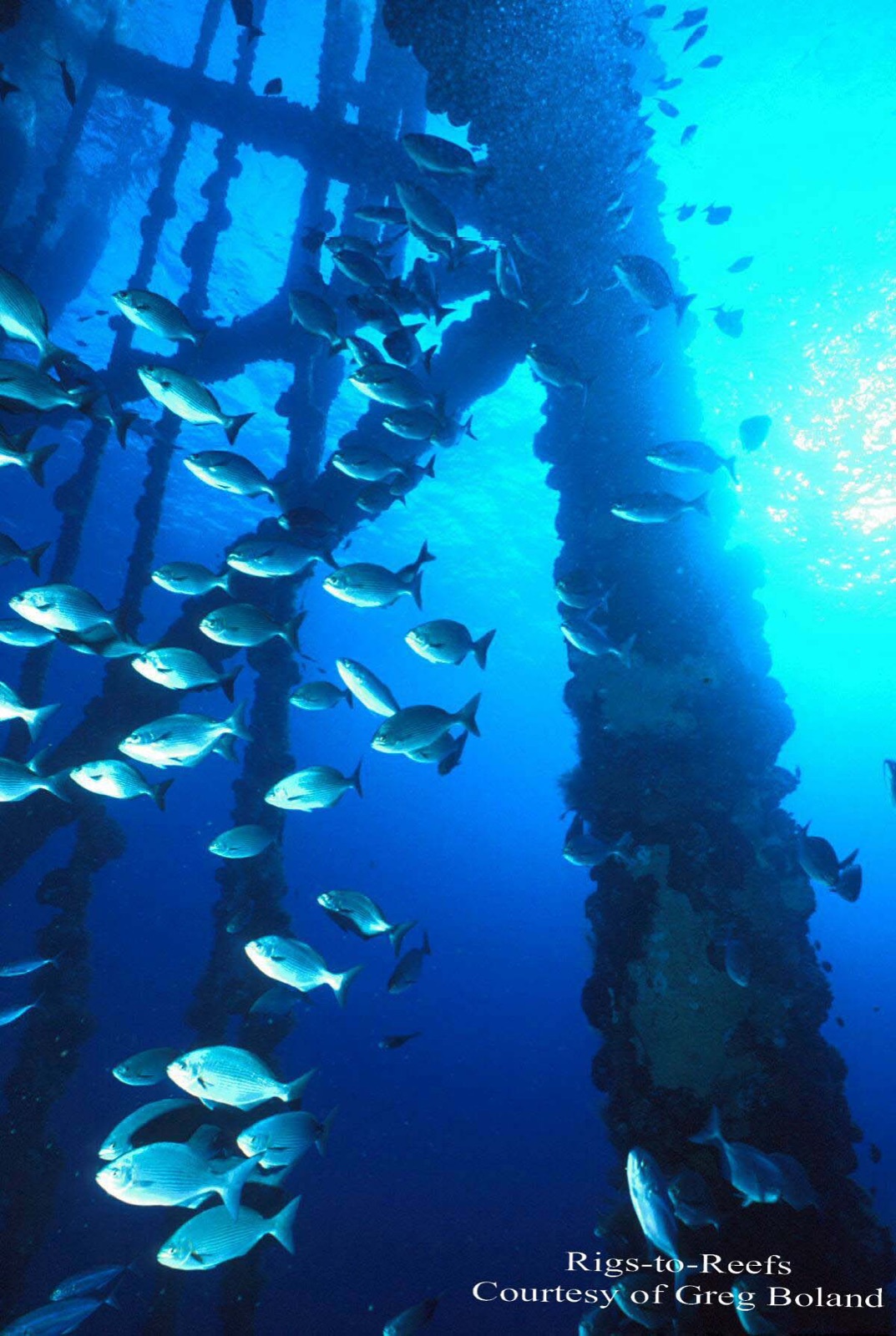
The North Sea’s own structures tell the same story. In the late 1990s, researchers reported the cold-water coral Lophelia pertusa, a slow-growing, reef-building species under pressure across the Atlantic, thriving on the legs of northern North Sea platforms; it was later found growing on the Brent Spar’s hull during disposal work. The INSITE research programme, set up to study what four decades of man-made structures have done to the North Sea ecosystem, has documented colonies that could seed recovery elsewhere if the structures carrying them were kept wet. Corals die in air. Every jacket lifted ashore for scrap takes its forty-year reef with it.
Why the North Sea says no
None of this is currently allowed to matter in the North East Atlantic, and the reason is a single famous rig. In 1995 Shell planned to sink the Brent Spar storage buoy in deep water; Greenpeace occupied it, a consumer boycott followed, and Shell backed down. Three years later the OSPAR Commission, the treaty body for the North East Atlantic, adopted Decision 98/3: disused offshore installations may not be dumped or left wholly or partly in place. Derogations exist only for the hardest cases, concrete gravity bases and the footings of steel jackets over ten thousand tonnes, and only ten have been granted since 2001. There is no Gulf-style reefing programme in the North Sea because the law was deliberately written to prevent one.
The rule has a serious argument behind it, and it deserves stating fairly: without it, “reefing” becomes the cheapest disposal option for every operator with a liability to shed, and the seabed becomes a scrapyard justified by fish. OSPAR’s presumption of complete removal exists to keep the polluter responsible. Any proposal to keep steel in the sea has to answer that objection rather than wish it away.
The reuse precedent
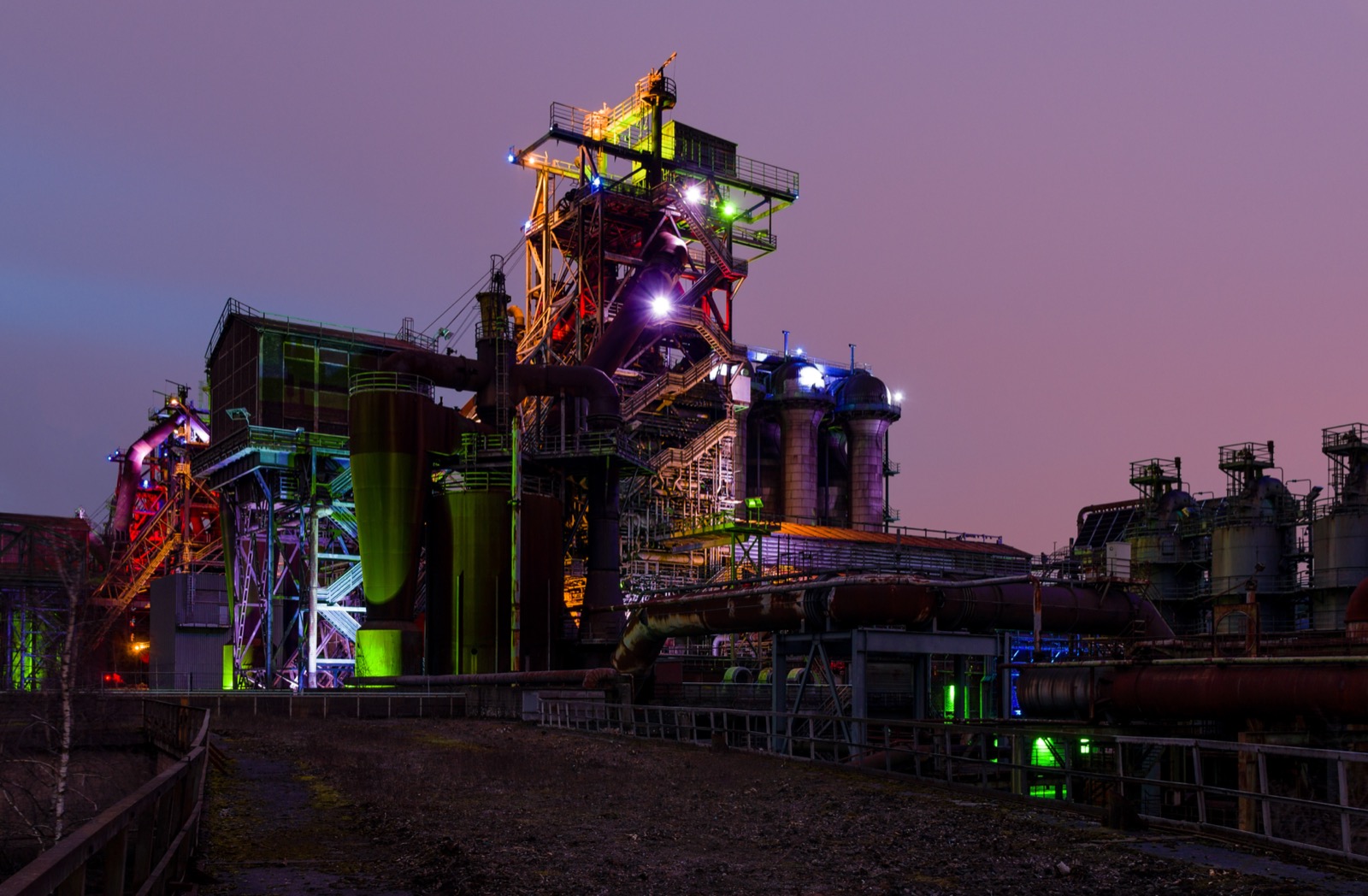
The answer comes from what we already do with heavy industry on land. Bankside Power Station closed in 1981 and reopened in 2000 as Tate Modern, now one of the most visited museums on Earth. The Thyssen ironworks at Duisburg-Nord shut in 1985; its blast furnaces are now a floodlit public park, with climbing walls in the ore bunkers and a diving pool in the gasometer. New York’s High Line carried its last freight train in 1980 and reopened as an elevated park. In each case the structure outlived its purpose, found a new owner, and was given a new job. Nobody calls Tate Modern a dumped power station.
The distinction matters legally as well as morally. OSPAR Decision 98/3 governs the disposal of disused installations: an owner walking away from a liability. A structure that is bought, surveyed, towed to a new site and put into service has not been disposed of; it has been reused, exactly as the Q13a-A gas platform off Scheveningen was reused to make the North Sea’s first offshore green hydrogen. Reuse at scale would still need the OSPAR states’ agreement on siting and standards. That conversation has a natural home, because the project that wants these rigs is proposing a North Sea treaty anyway.
What Nieuw Doggerland would do with a graveyard
Nieuw Doggerland, the project behind this site, proposes a working harbour, island towns, an energy hub and a large no-take marine sanctuary in the central North Sea between Britain and the Netherlands. Its ecology programme already commits to advocating a North Sea rigs-to-reefs framework. The Cromarty Firth’s inventory is where that advocacy becomes specific, in three roles across the project’s life.
First, as construction infrastructure. A stacked semi-submersible is a floating town that happens to have a derrick: beds for over a hundred workers, a galley, a hospital bay, cranes, power generation and a helideck. The offshore industry already charters such rigs as flotels. In the build-out phase, before any island has houses, converted rigs moored on site would be the archipelago’s first accommodation, its first workshops and its first weather refuge; the first residents of Nieuw Doggerland would live on the North Sea oil industry’s second-hand furniture.
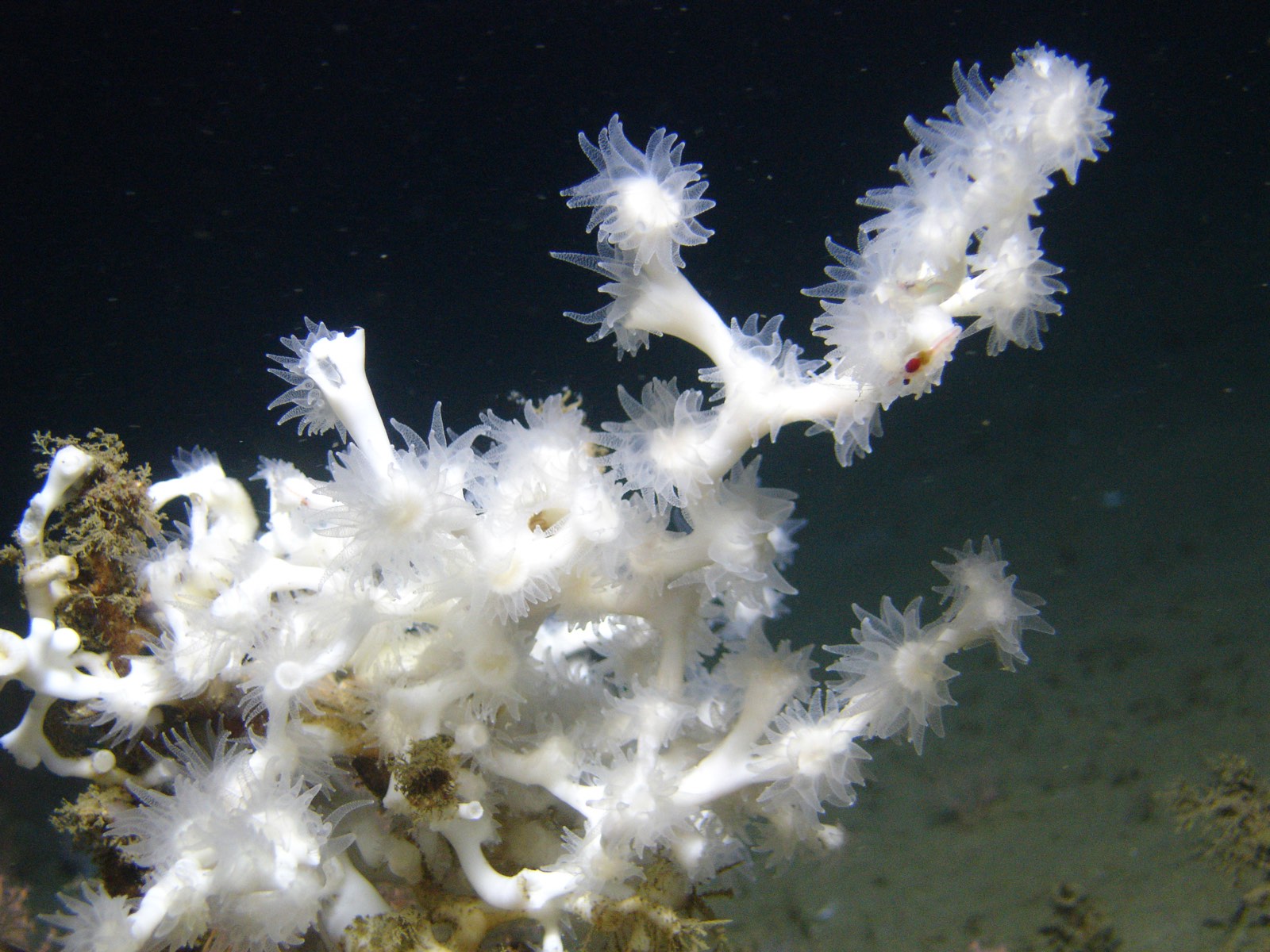
Second, as reef foundations. Cleaned jackets and hulls, placed in the sanctuary’s deeper lagoons and channels, would do in the North Sea what 625 of their cousins already do in the Gulf: give larvae, corals, and fish something to hold on to. The INSITE findings suggest some North Sea structures would arrive with their reef communities already aboard. Placement would follow the sanctuary’s zoning, clear of the protected sandbank seabed, in water the project controls and monitors through its own marine science station.
Third, as places people can actually reach. The unique feature of an archipelago is that “offshore” stops being remote: a reefed jacket in a lagoon sits minutes from a quay, not hours from Aberdeen. That puts diveable industrial reefs, research moorings and a preserved rig, the North Sea’s answer to Duisburg-Nord’s furnaces, within reach of residents, scientists and visitors. The industry that made the modern North Sea would keep a physical presence in the province it made possible, as heritage rather than liability.
The rigs in the Cromarty Firth are waiting for an oil price, a contract, or a demolition slot. A project now exists that can offer some of them a fourth option: a tow south-east, a survey, and a long second life as the reefs, quarters and monuments of new land. The graveyard has been misnamed. It is an inventory.
Source: firth stacking history via Atlas Obscura and BBC News; Nigg yard history via the Port of Nigg and Energy Voice on the Hutton platform’s return; reefing figures and platform productivity via PLOS One and Scientific American; OSPAR Decision 98/3 from the OSPAR Commission; North Sea coral findings via Nature and the National Oceanography Centre.