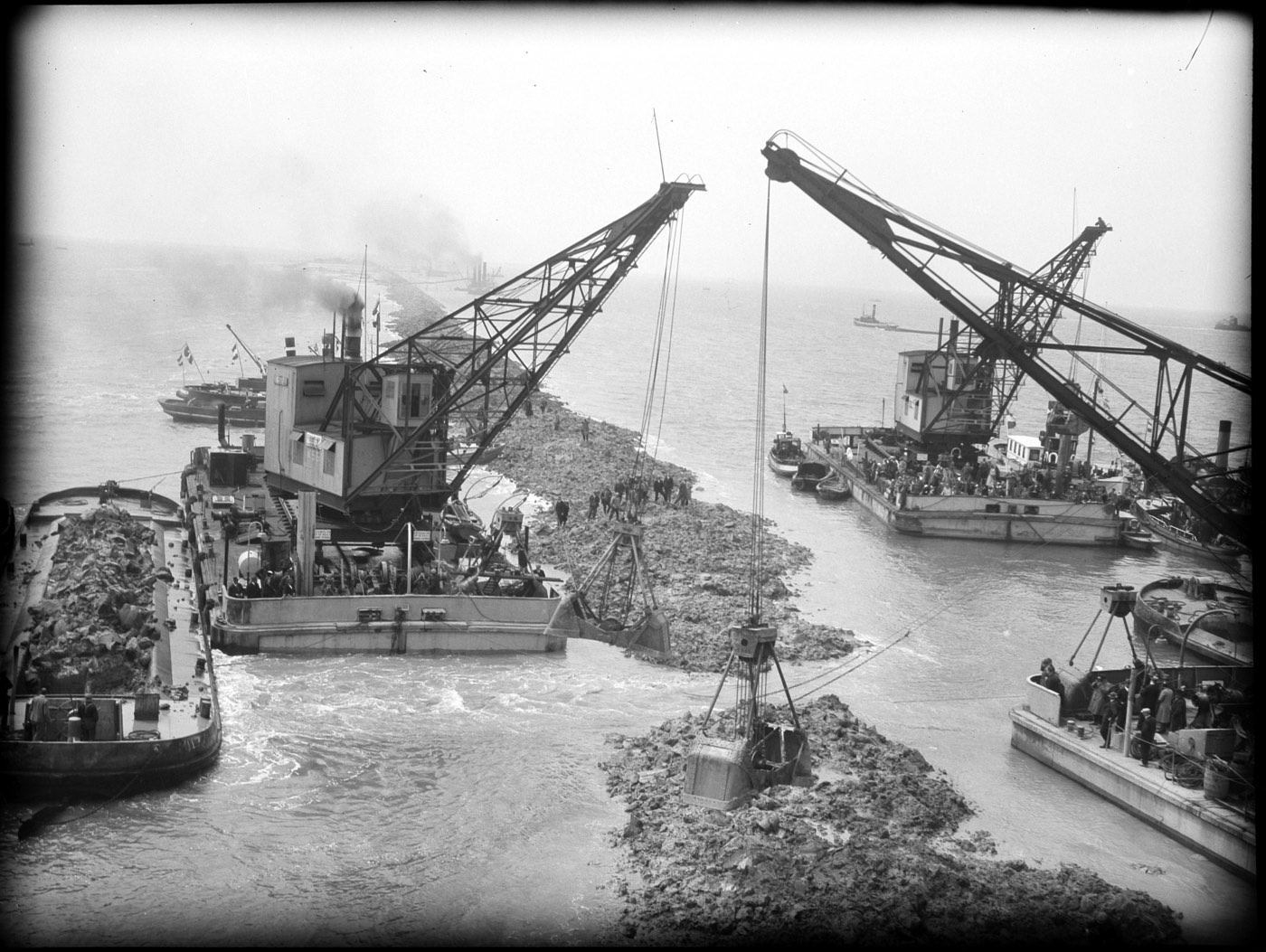
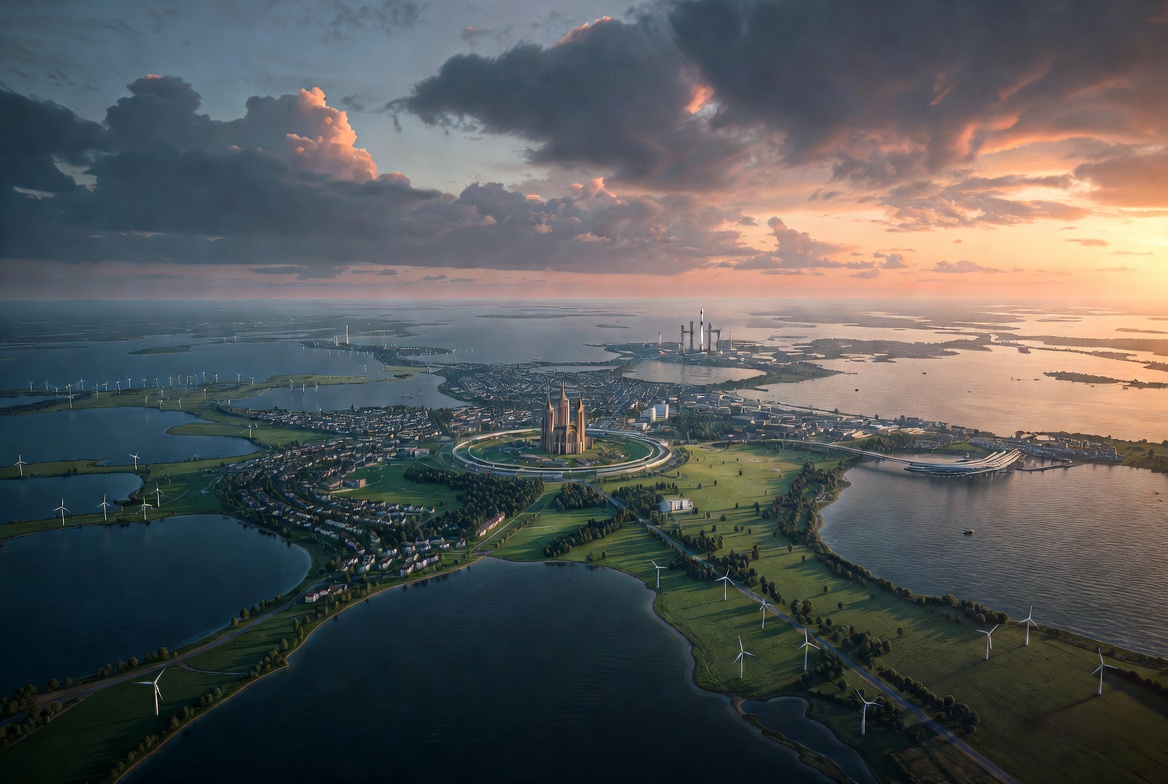
Nieuw Doggerland will one day export energy, land, and science. Its first product is simpler: a sheltered berth in the middle of the North Sea. When Nieuw Haven’s breakwater closes around its harbour basin in Phase 2, the project acquires something no vision document can supply; a service vessels will pay for on the day it opens.
Look at a chart of the central North Sea and the gap is striking. Between the UK coast and Denmark there is no harbour at all: no berth, no laydown, no shelter. Everything working out there either transits for hours each way or stays at sea for weeks. The Dogger Bank Wind Farm, the largest offshore wind farm in the world, runs its operations from the Port of Tyne, roughly 130 kilometres from its turbines; its service operation vessels stay offshore on two-week rotations precisely because going home costs too much time.
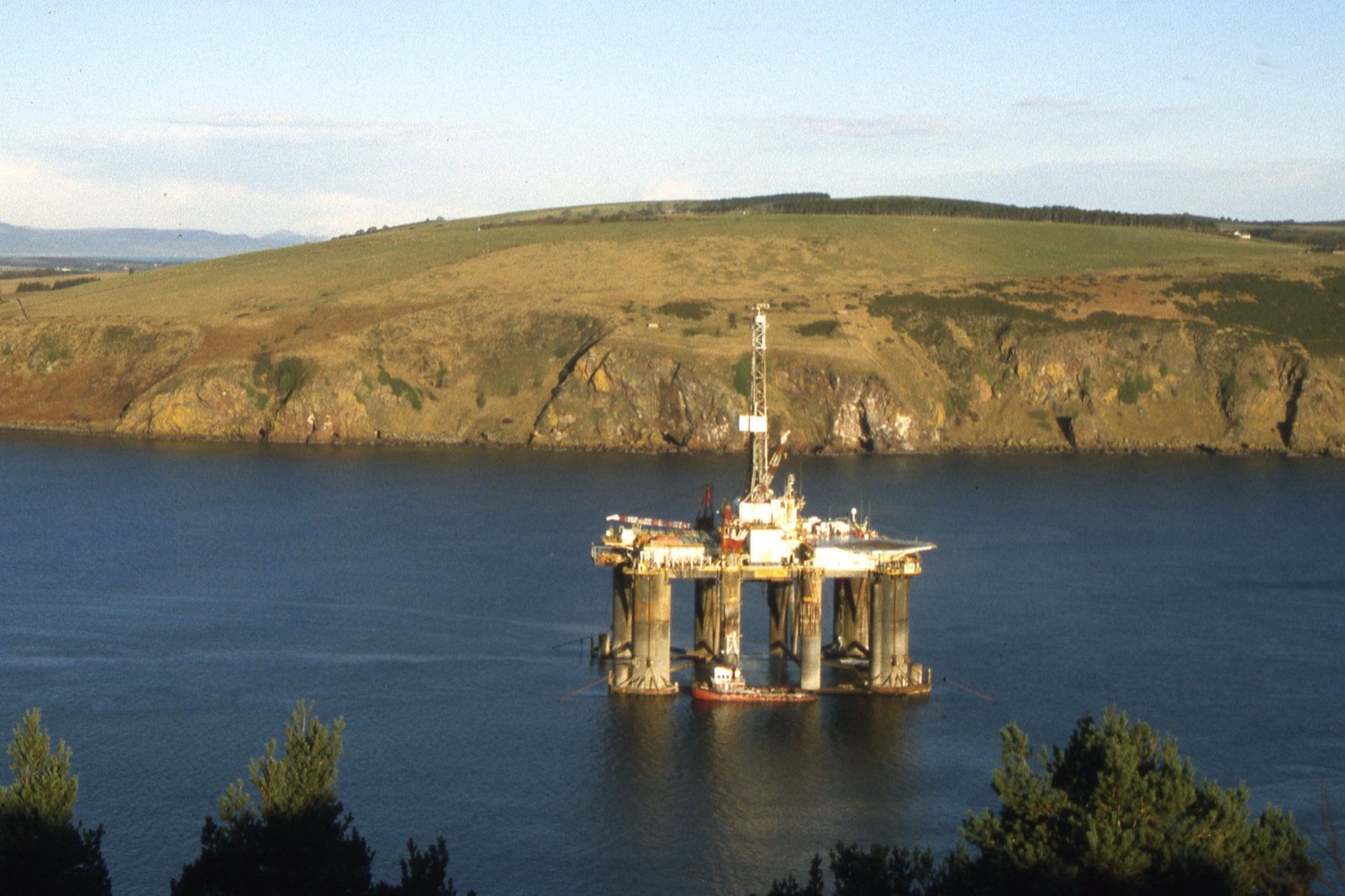
That is the market, and it can be named ship by ship. Service operation vessels that live offshore a fortnight at a time gain a mid-sea base with beds ashore; jack-up barges swapping blades and gearboxes each summer gain laydown closer than any coast can offer; survey ships, cable-layers and trenchers working the interconnector corridors gain a crew-change and bunkering stop in the middle of their patch. Behind them come the guard vessels, the dive-support boats, and the decommissioning fleet that will spend decades cutting half a century of oil and gas steel out of the sea, and needs a staging yard at the centre of the basin it is clearing. Even the fishing fleet recovers something the Victorians would have wept for: shelter on the Dogger Bank itself.
How busy should we honestly expect it to be? A port like this is not a footfall business; its economics stand on a handful of anchor tenants under long leases, with transient calls and storm refuge as the upside. The neighbourhood supplies the candidates: 3.6 GW operating next door on a 25-year commitment, a fourth phase in development, further leasing rounds behind it, and the Hornsea projects to the south-west pushing the world’s largest wind cluster steadily closer. The Phase 1 feasibility study exists to put numbers on the call rate; we would rather publish its answer than guess at one here.
Ranked by bankability
Port dues, charged per tonne per call, are the revenue line everyone thinks of first; they are the least of it, which is convenient, because they are also the smallest. The money that interests infrastructure investors is contracted: long-term operations-and-maintenance base leases to the wind operators next door, quayside and laydown rental, crew-transfer and helideck logistics. Dues on transient calls are the cream on top.
The line with the steepest future is bunkering. The hub island exists to make green hydrogen; shipping is being marched toward exactly that fuel by European regulation and carbon pricing. A harbour that sells green fuel in mid-sea, at the crossroads of the North Sea’s busiest working traffic, is not a sideline to the energy island: it is the energy island, retailed at the quayside.
The oldest argument at sea
There is a Victorian precedent for building harbours in hard places on safety grounds alone. The great harbours of refuge (Dover, Portland, Holyhead) were funded by the state because mariners were dying for want of shelter, and the arithmetic of rescue favoured breakwaters. Nieuw Haven revives that argument in the one stretch of sea that never got its refuge; the bank has sheltered nothing since the water closed over it 8,000 years ago.
What this changes is the financing story. A visionary archipelago is a hard asset class to place; a port with contracted cash flows is one of the most familiar in the world. Opening Nieuw Haven as a working commercial harbour makes the first island defensible on its own terms, before a single settler arrives: even a sceptic of the whole province can see the case for the central North Sea’s first all-weather harbour. The feasibility work is now in the Phase 1 plan, alongside a question for the lawyers: who, exactly, gets to levy port dues on a sandbank with no sovereign. The answer will be the project’s first act of governance.